From ideas to worlds
Ten years of making. A master's in Expanded Media.
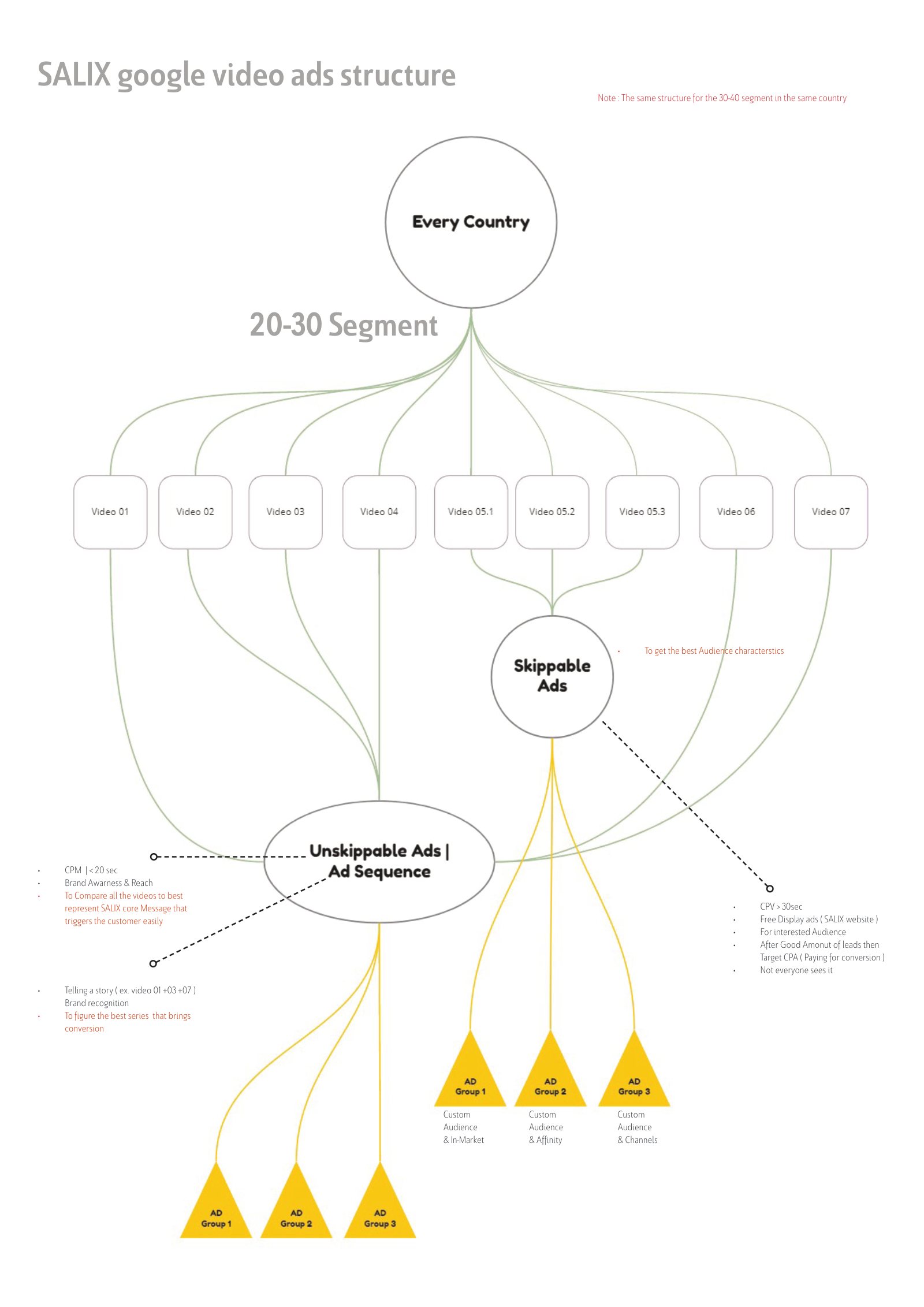
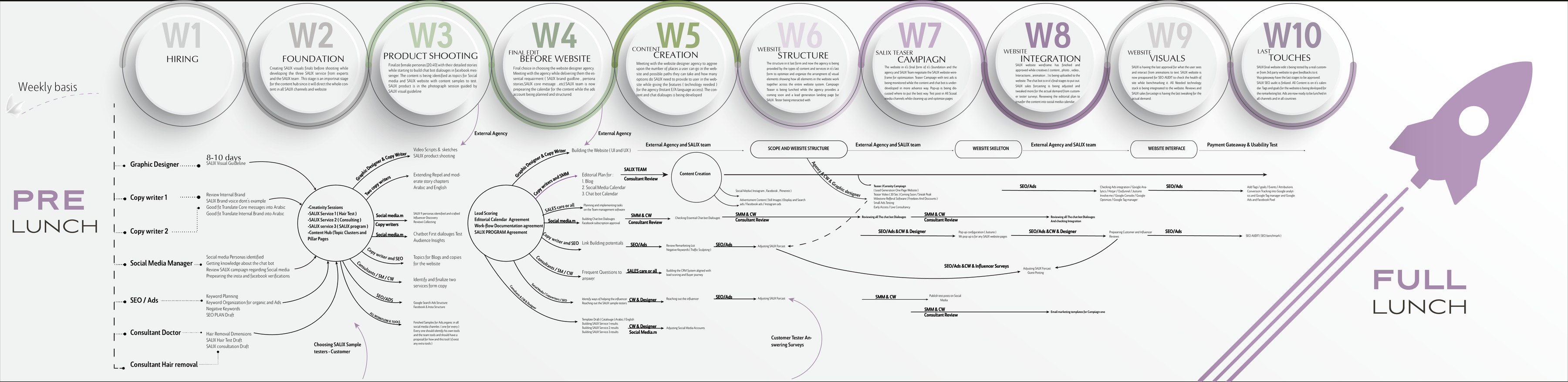
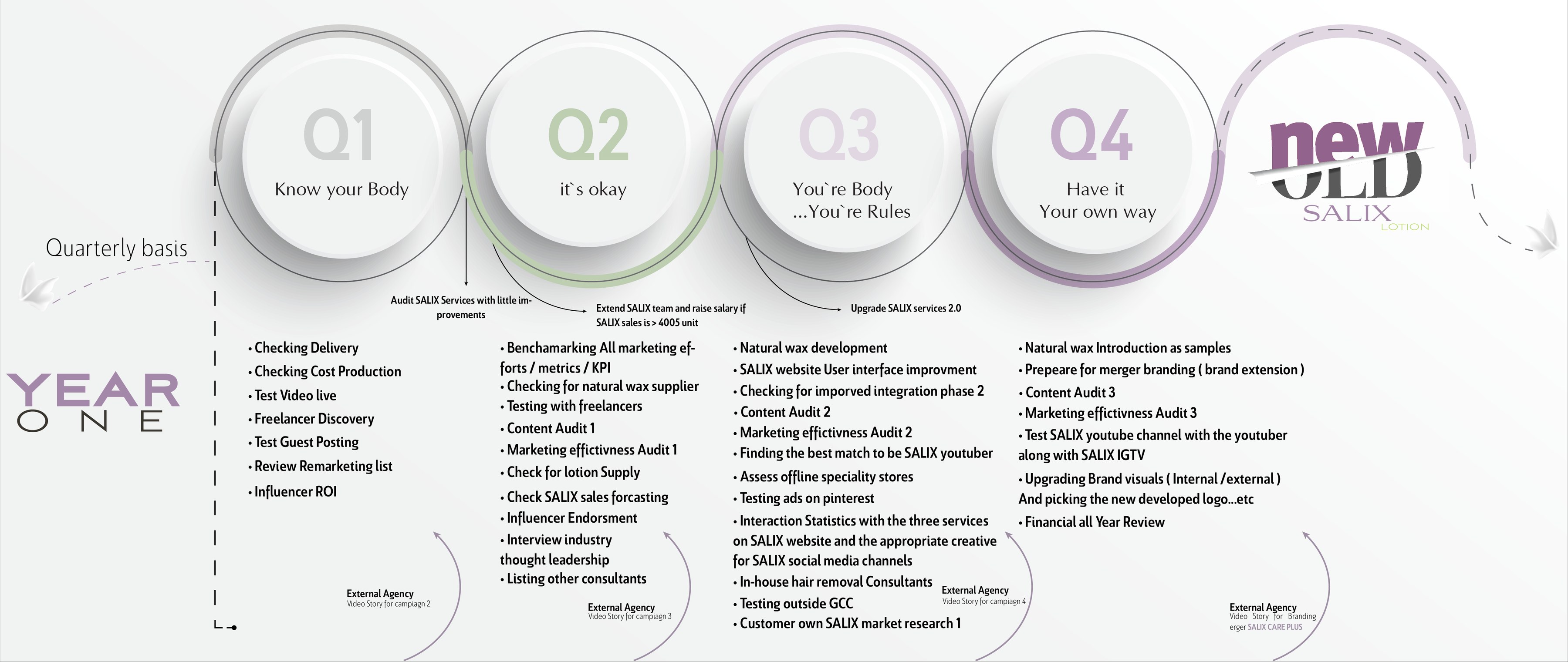
Creative director and designer on 15+ transmedia projects: film, sound, virtual worlds, design, photography and marketing, built together as one world.
Master in Expanded Media
Advanced media technologies / Digital Media. Project-based learning, design thinking, and an advanced lab with a lot of tools.
Post Graduate Diploma, Digital Marketing
The strategy behind campaigns and channels.
School of Audio Engineering
Digital Media, 132 hours.

Selected work





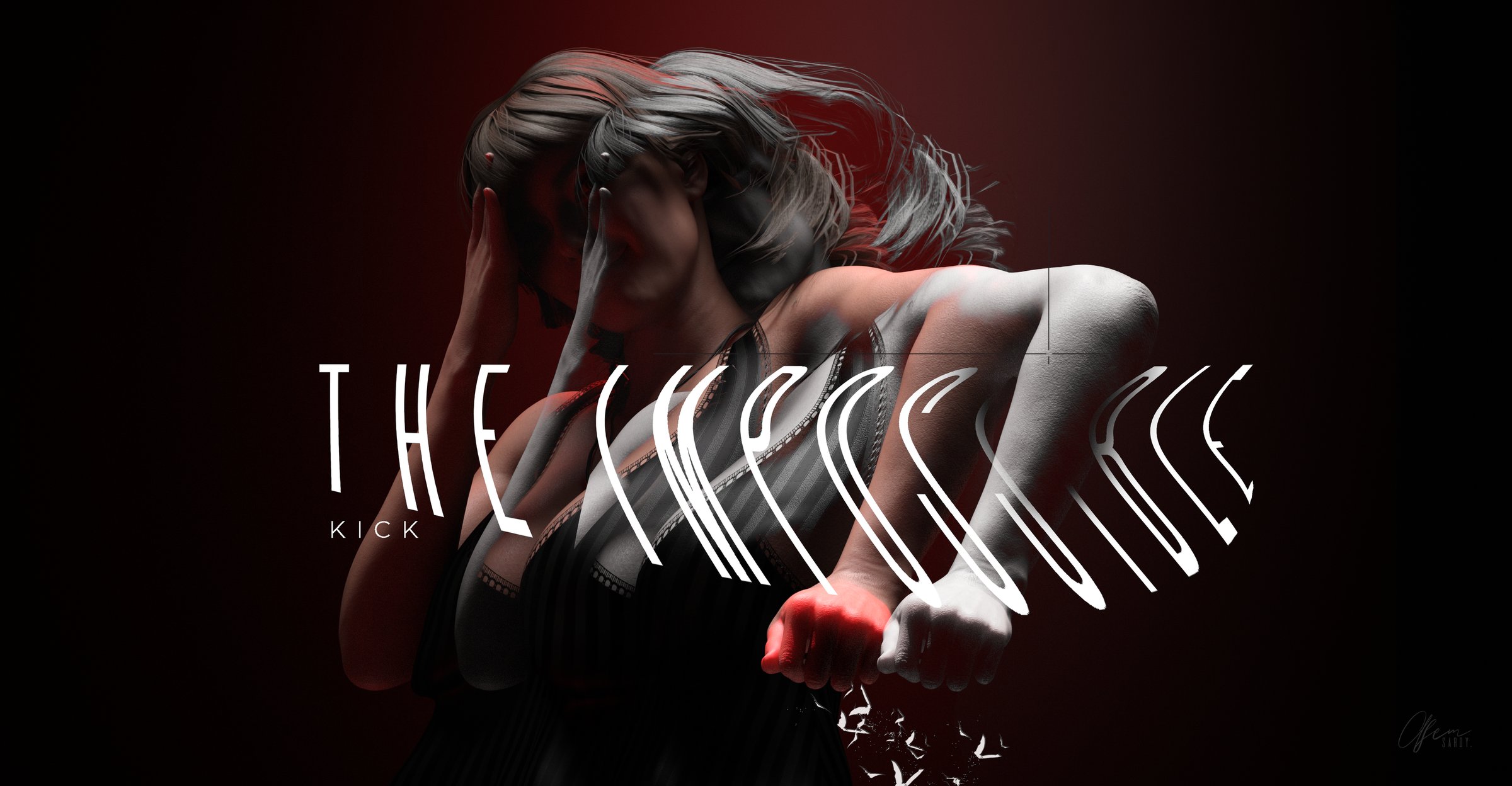
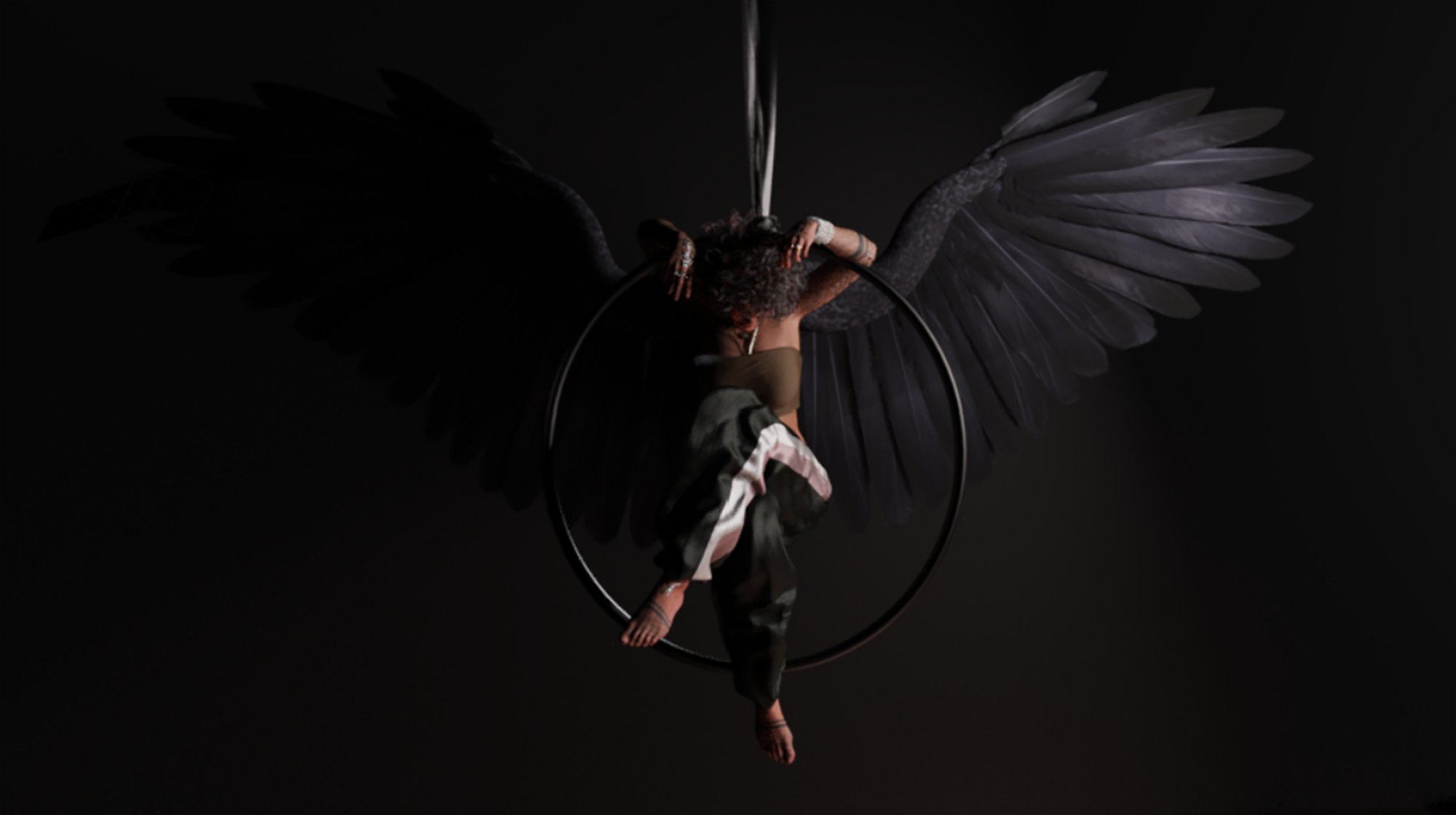
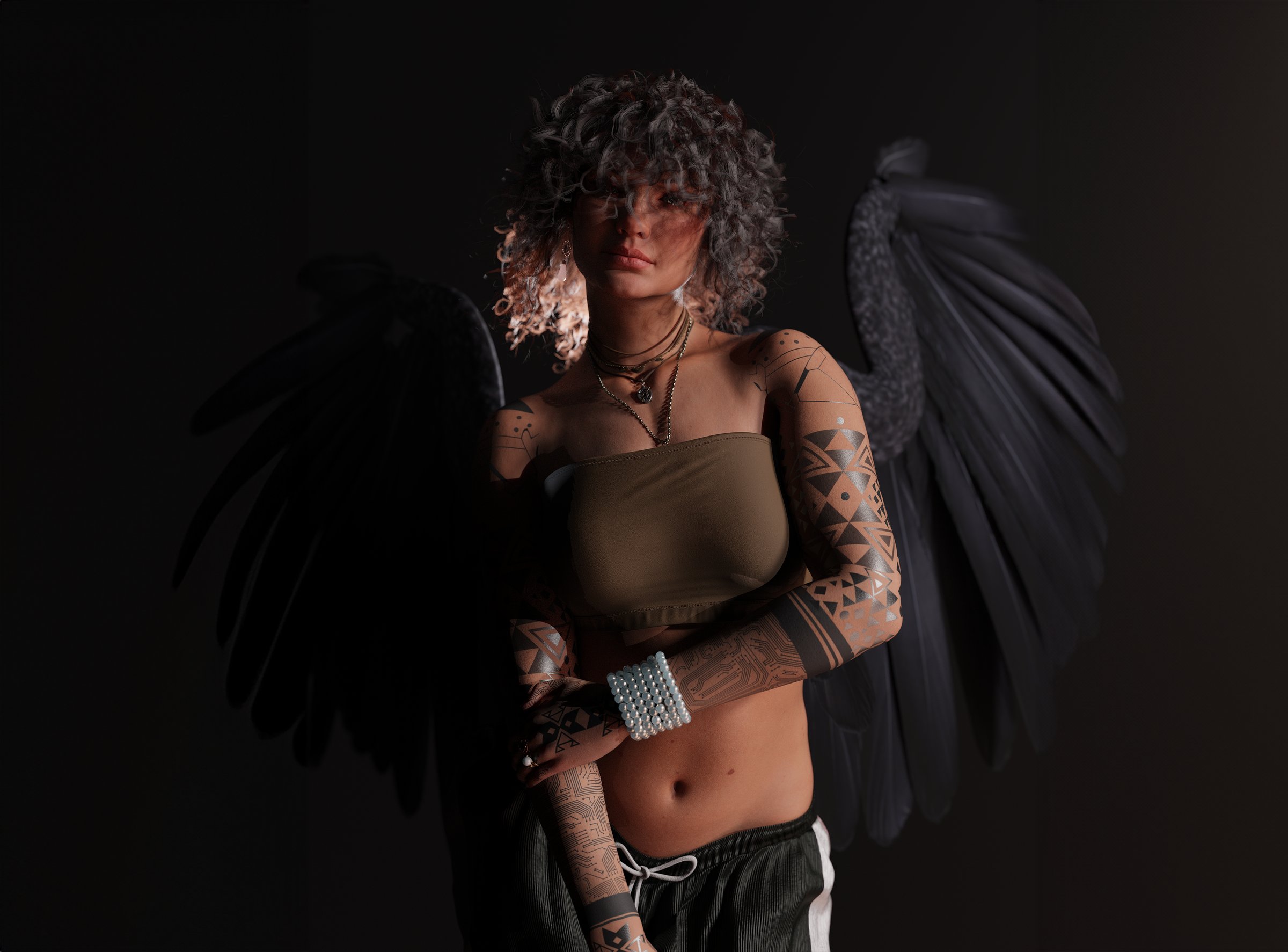
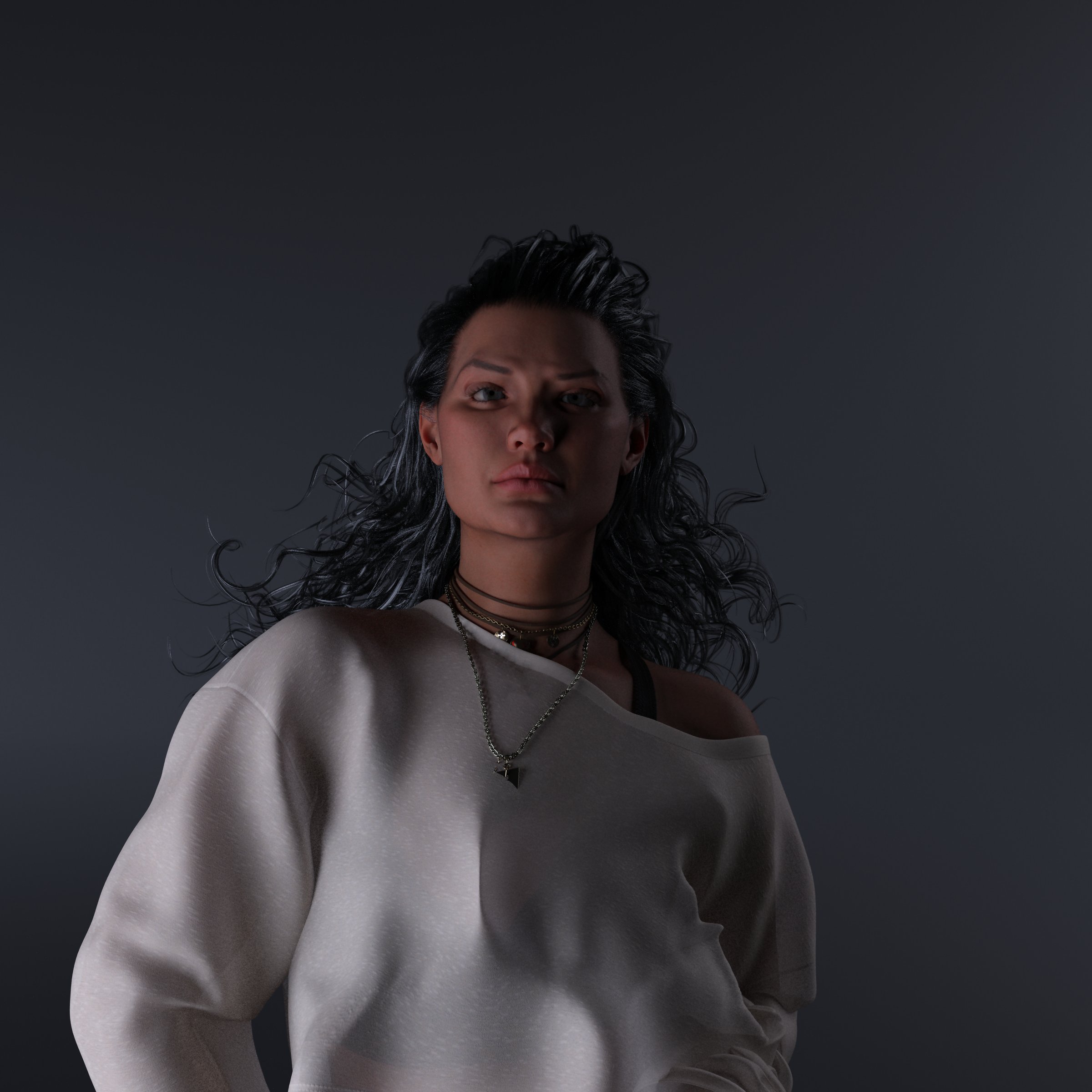

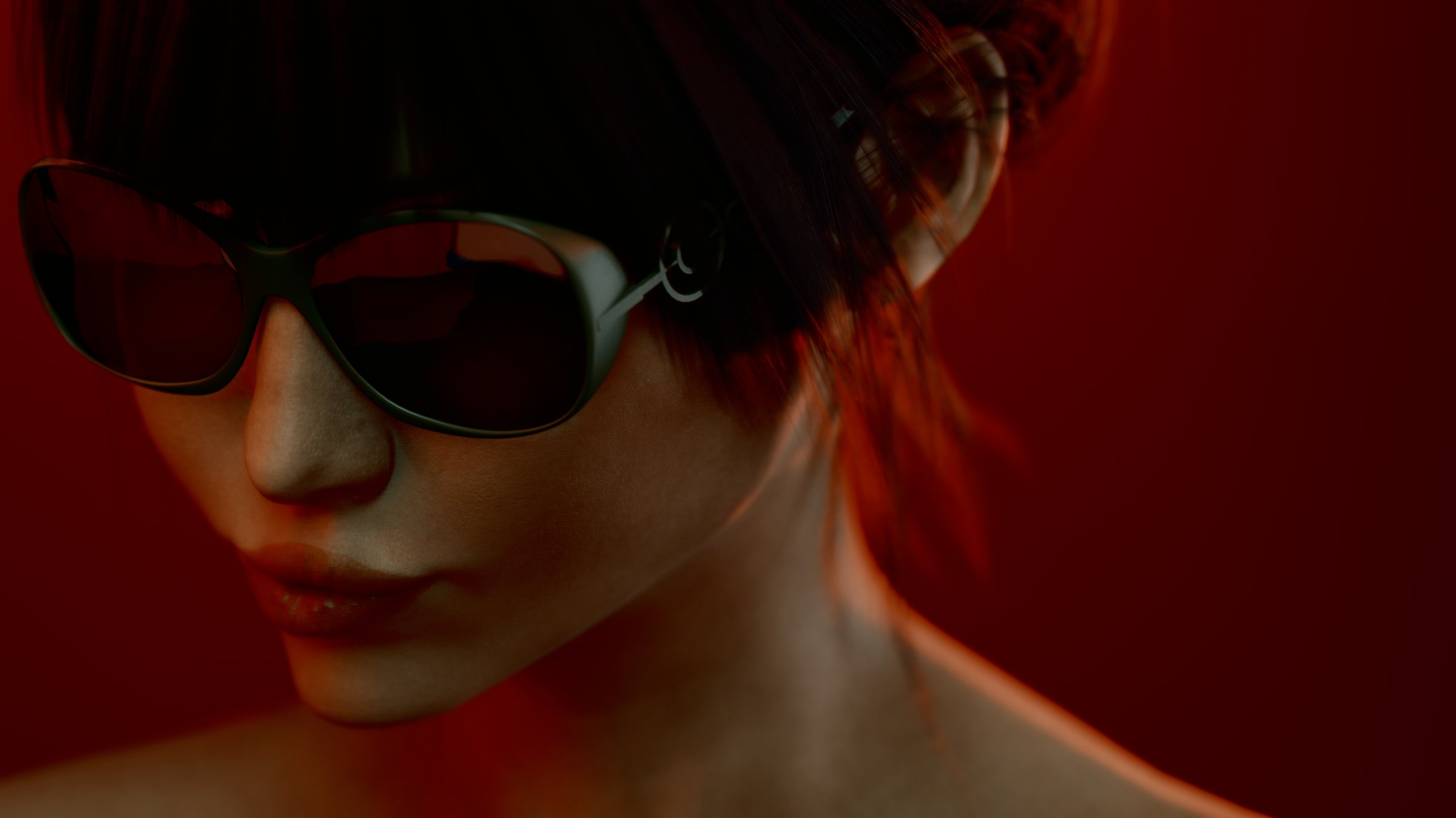
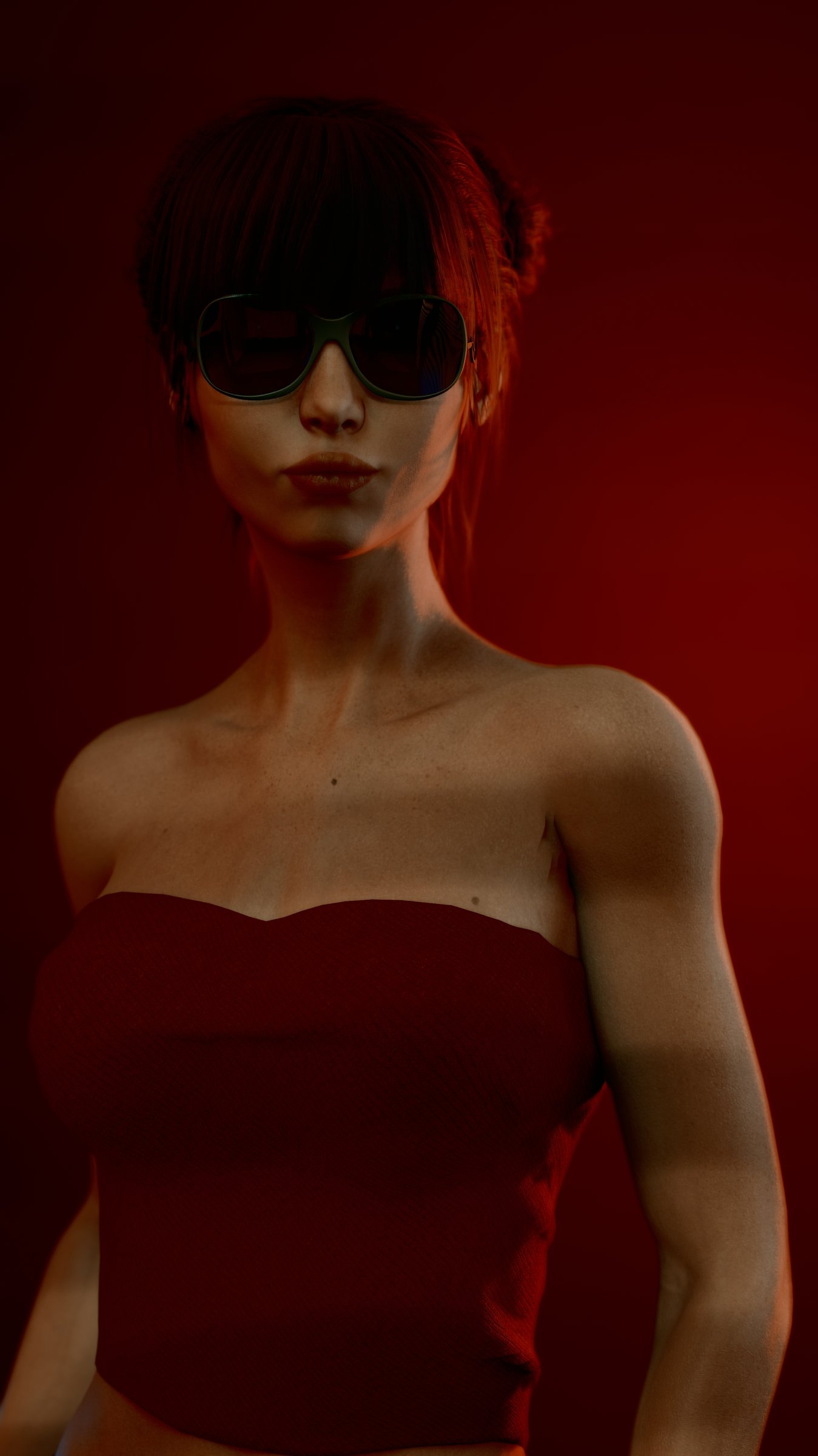
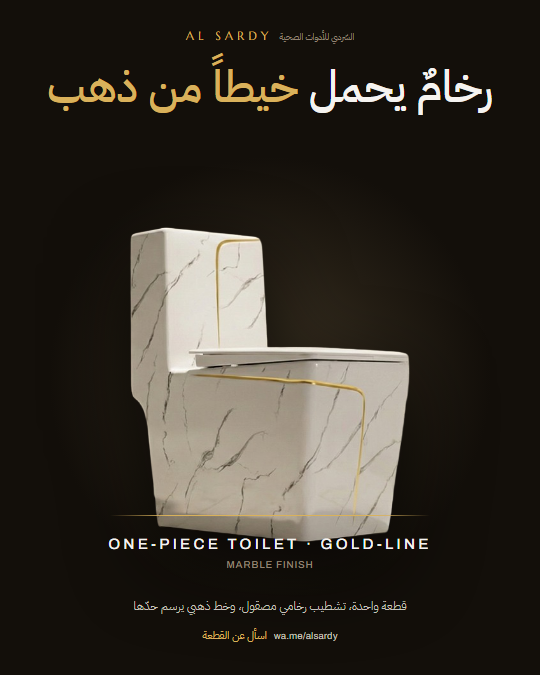
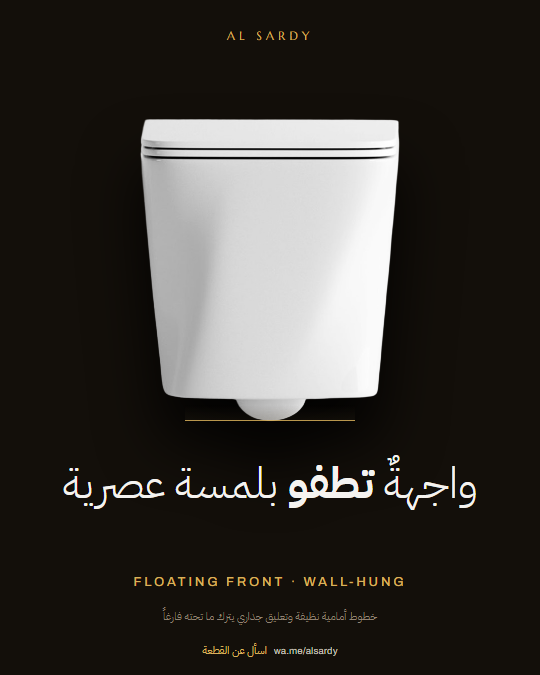
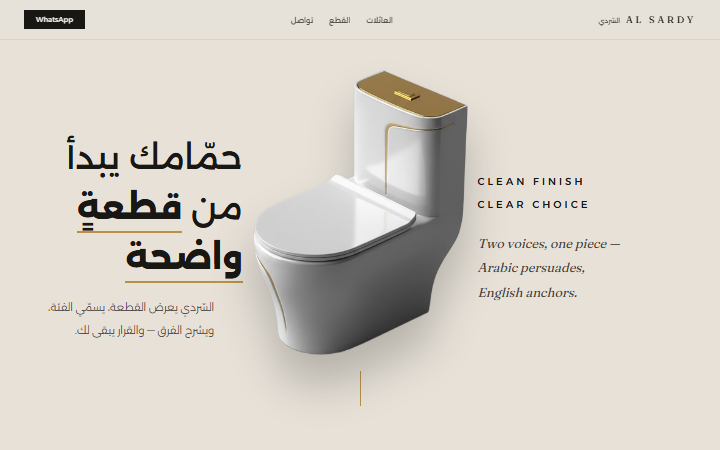

I read your plan. Here is what it actually does.
An intermediate degree (level 6) in الإعلام الرقمي. 72 credits, 4 semesters, 30 courses.
Industry, career & practice
The largest block: how the industry works, and two internships of about 140 hours each.
- Creative Media Industry3 cr
- Professional Practice in Media Production2 cr
- Life & Work Skills2 cr
- Applied Project2 cr
- Professional Practice 13 cr · Sem 3
- Professional Practice 23 cr · Sem 4
News & language craft
The biggest subject block. Writing is the root that three later courses depend on.
- Journalistic Writing for Digital Media2 cr · 4 lab hrs
- Language Skills for Journalists2 cr
- Data & Mobile Journalism2 cr
- 360° News Reports & Shooting2 cr
- Radio & TV Programme Prep & Presentation3 cr
- Media Law & Digital Rights3 cr
Visual production
Two courses are 6 lab hours a week: Photography and Colour Grading.
- Digital Photography3 cr · 6 lab hrs
- Digital Cinema2 cr
- Digital Editing & Colour Grading3 cr · 6 lab hrs
- Graphic Visual Design3 cr
- Creative Media Techniques2 cr
Marketing & content
Around a seventh of the degree, far less than the craft courses.
- Digital Content Making3 cr
- Electronic Media Campaigns3 cr
- Professional Practice in the Digital Economy2 cr
- Entrepreneurship & Innovation2 cr
AI & digital tools
AI appears twice, as a general skill and inside the track, so it is built in from Semester 1.
- Media & AI2 cr · 4 lab hrs
- AI Applications3 cr
- Digital Skills2 cr · lab
Story & audio
The smallest craft block: only two courses, both in the second year.
- Digital Storytelling2 cr
- Audio & Podcast Techniques2 cr
General education
Taught alongside every programme at the college.
- Islamic Culture3 cr
- Applied English3 cr
- National Education2 cr
- Military Sciences1 cr
A multimedia reporter-producer.
The plan's outcomes name two roles: المراسل الصحفي, the journalist-correspondent, and الإعلامي الرقمي, the digital media practitioner.
Read together, that is someone who can write, shoot, edit, publish and measure. Not a brand designer, not a film director: someone close to the real world, who owns the message and the experience of it.
One chain, from idea to proof.
Every track course sits somewhere on a single production line. AI runs through all of it.
- Creative Media Industry
- Digital Economy practice
- Media Law
- Journalistic Writing
- Language Skills
- Data & Mobile
- Photography
- Digital Cinema
- Audio & Podcast
- 360° Reports
- Graphic Design
- Colour Grading
- Radio & TV Programmes
- Digital Storytelling
- Digital Content Making
- Electronic Media Campaigns
- Applied Project
- Professional Practice 1 & 2
Two courses everything hangs on.
Journalistic Writing unlocks three later courses. Digital Cinema unlocks two. Whoever teaches them sets the base for the whole second year.
What the plan leaves open.
The plan describes outcomes, not tools. None of the following is named, which is room to teach current practice inside the outcomes that already exist.
18 credits per semester. Production courses begin in Year 2.
The first camera-based course is Digital Cinema, in Semester 2. The internship starts in Semester 3.
Foundations
- Journalistic Writing for Digital Media2
- Media & AI2
- Creative Media Industry3
- Professional Practice in the Digital Economy2
- Digital Skills2
- Entrepreneurship & Innovation2
- Life & Work Skills2
- Islamic Culture3
Formats
- Digital Cinema2
- Data & Mobile Journalism2
- Language Skills for Journalists2
- Creative Media Techniques2
- AI Applications3
- Applied English3
- Professional Practice in Media Production2
- National Education2
Craft
- Digital Photography3
- Graphic Visual Design3
- Audio & Podcast Techniques2
- Digital Content Making3
- Media Law & Digital Rights3
- Professional Practice 1 · internship3
- Military Sciences1
Production
- 360° News Reports & Shooting2
- Digital Storytelling2
- Electronic Media Campaigns3
- Digital Editing & Colour Grading3
- Radio & TV Programme Prep & Presentation3
- Applied Project2
- Professional Practice 2 · internship3
Where I fit, and what changes because of it.
Same outcomes. Current tools. Real briefs.
- Inside the courses
- Across the department
AI with a paper trail.
Every assignment carries an AI log: the prompt, what came back, what I changed, and what I checked. Students learn to use AI fast, and to be able to prove what is true in their own work.
Assessment: the same piece made with and without AI, then a comparison. The method outlasts any one tool.
Design the shot before you shoot it.
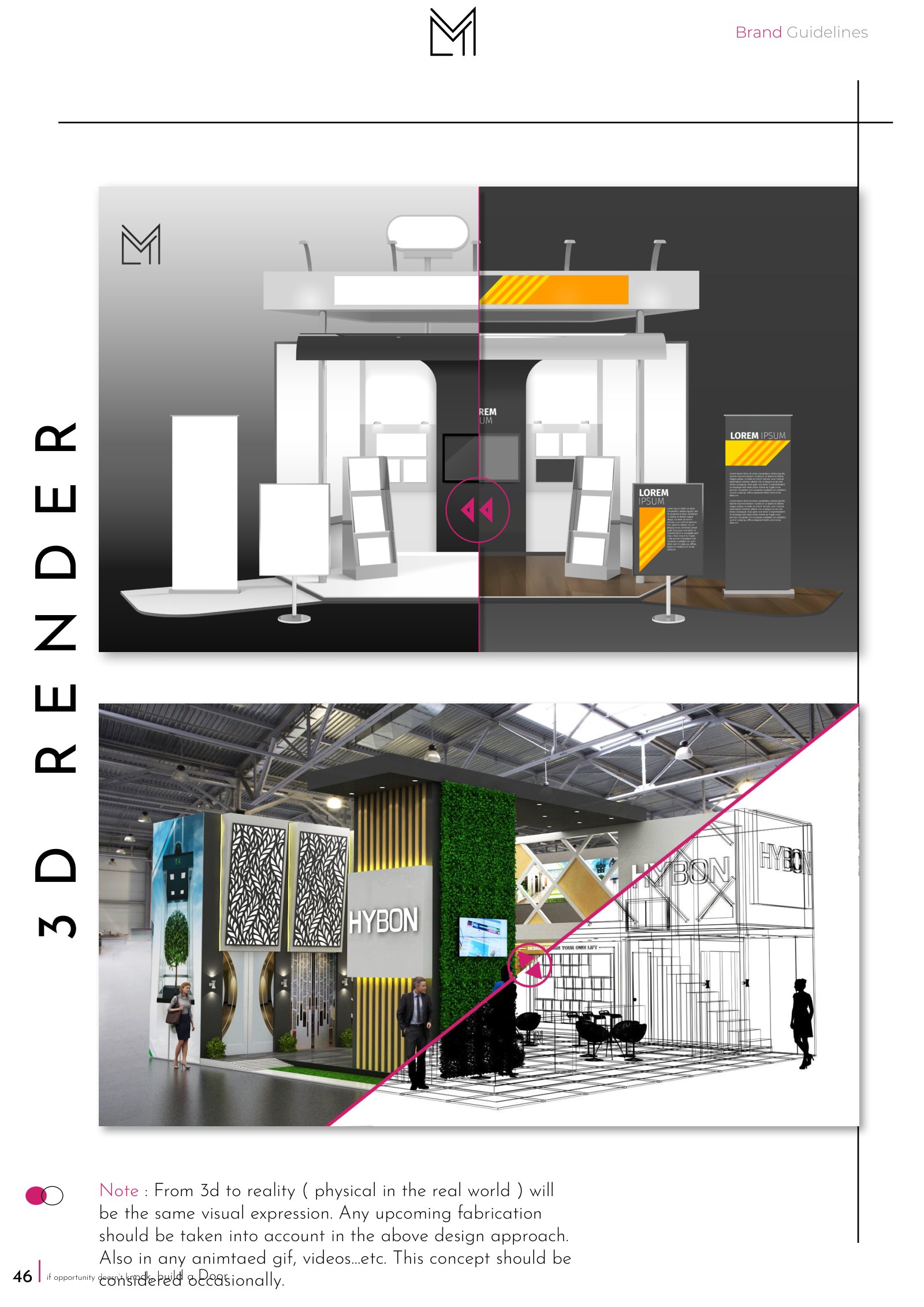
A previs module inside pre-production: block the scene and the camera in 3D first, then shoot with a plan. In the edit, grading in DaVinci Resolve (free) with a colour-managed workflow, explained step by step.
Output: a short film with a visible before and after.
From one story to a world.
My method for building a world: a story first, then a bible, then the formats it can live in. Each student tells one real story from Zarqa, then takes it into a second medium.
The Applied Project becomes a case study that looks like a studio's.
A brand is a system that holds.
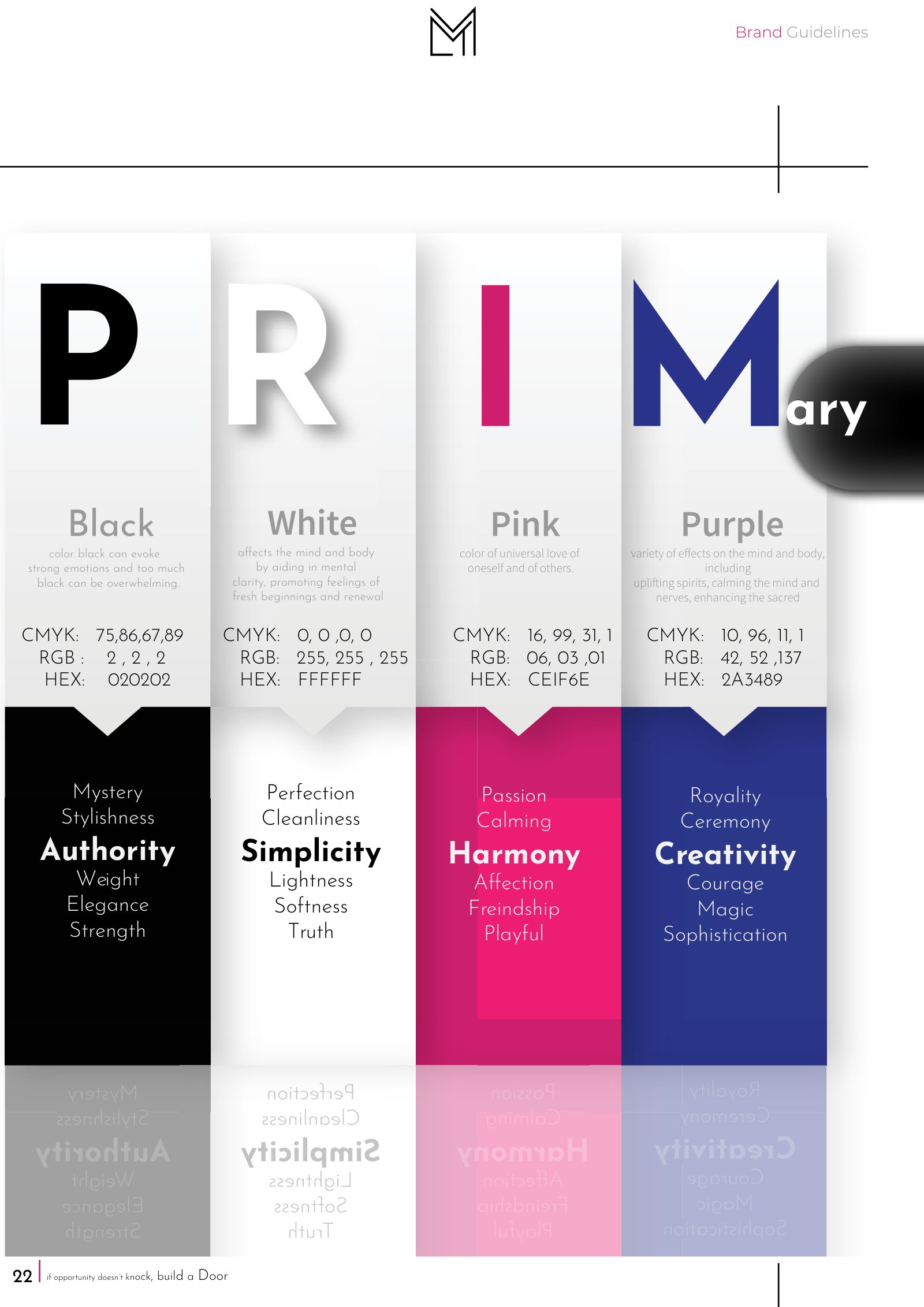
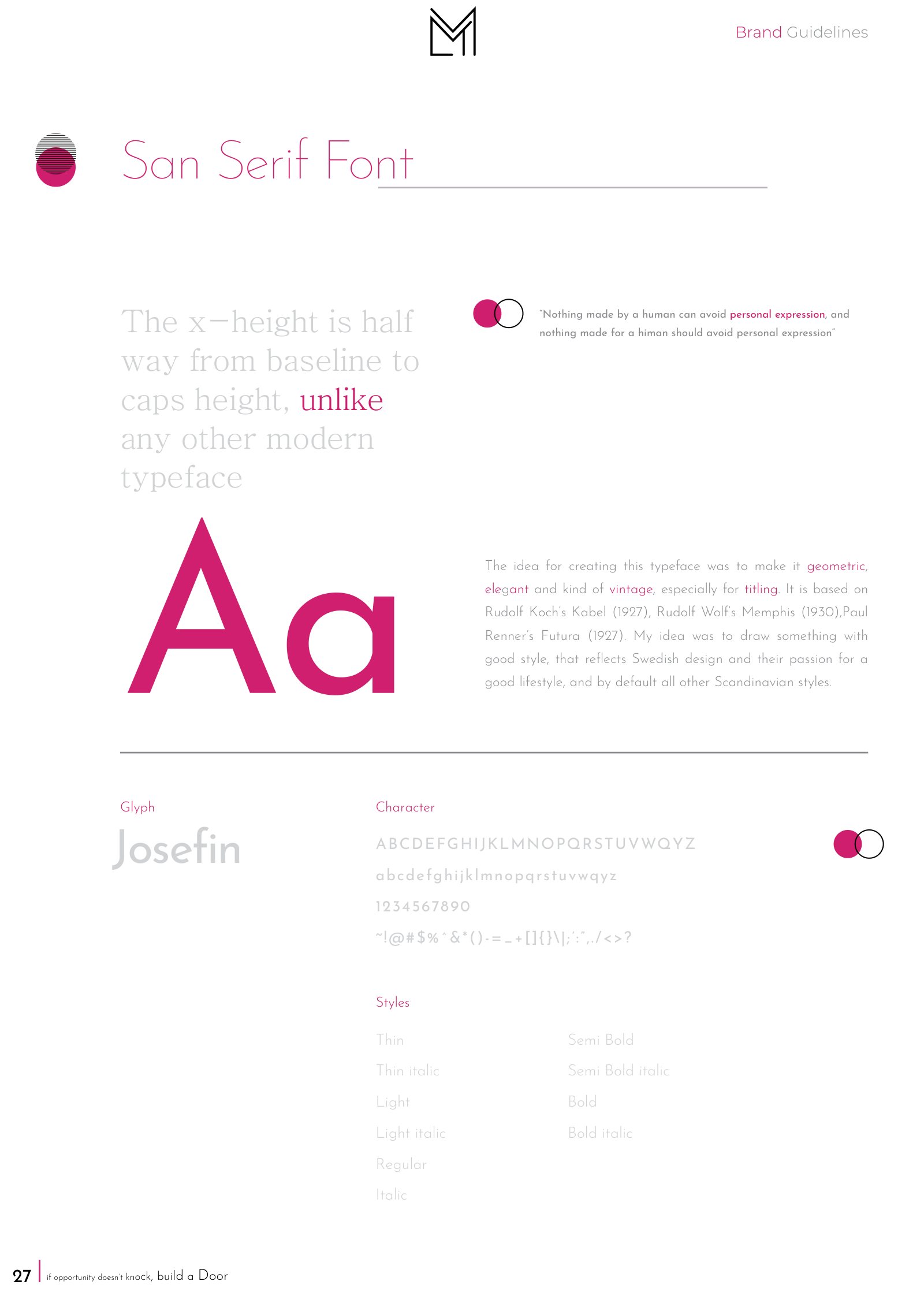
Identity is taught as a set of rules, not a logo: type, colour, grid, templates, and how Arabic and English share one layout. Campaigns start from an insight, then the system, then the channels, then what to measure.
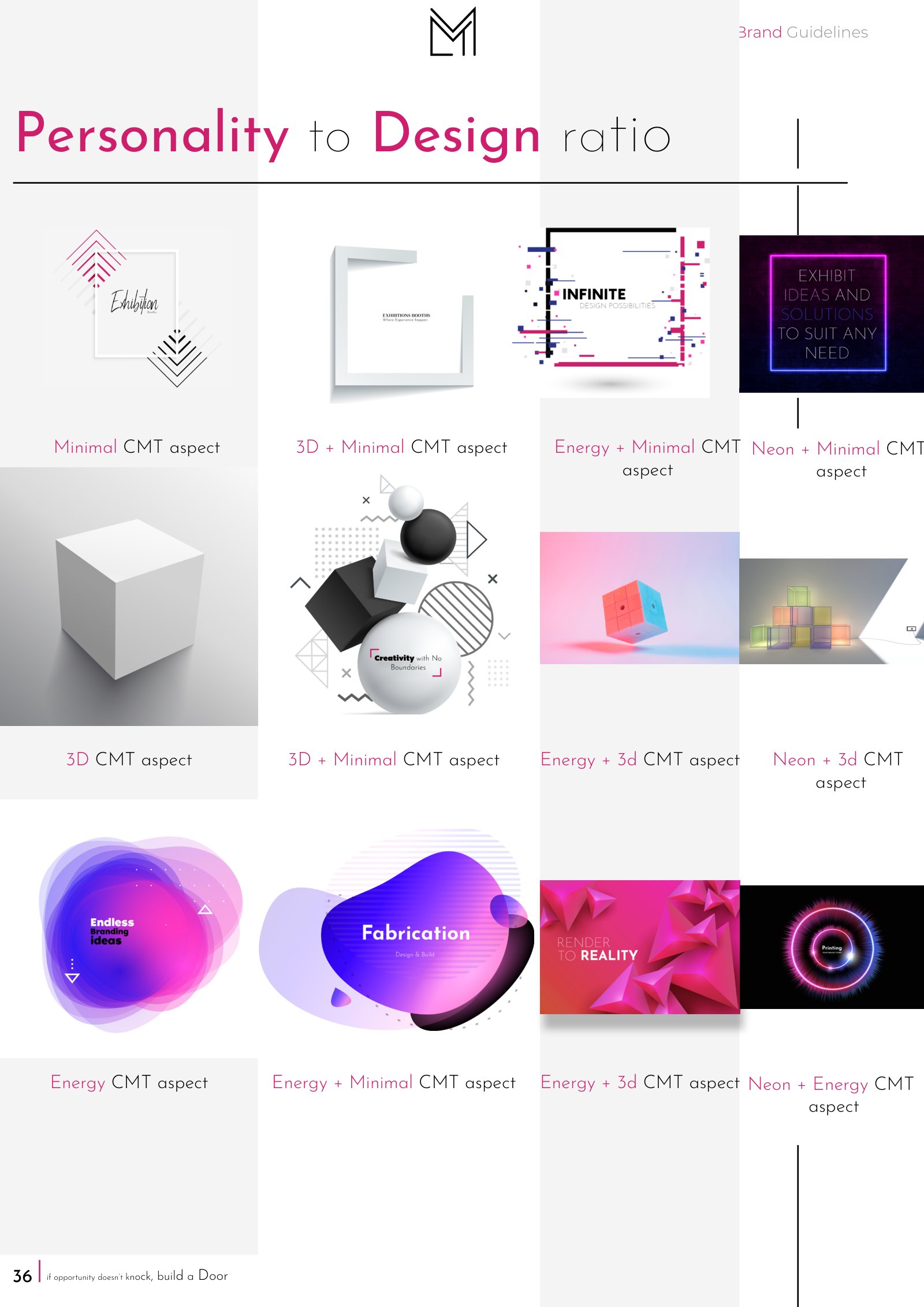
Output: a mini brand kit and a campaign case study for a real local business.
Sound is half the picture.
Clean voice first: mic technique, noise, EQ, compression. Then sound as storytelling, and a three-episode podcast published to a class channel.
Same outcomes, current tools.
The plan names no software, so I'd put a short, updated toolkit in front of students, free-first, each tool tied to a course. The goal is graduates who know what professionals use now.
DaVinci Resolve · free
edit, colour and audio in one tool
Blender, Unreal Engine · free
previs and virtual cinematography · needs a GPU
Audacity · free
Ableton Live · paid, if budget allows
Krita, Inkscape · free
Adobe Photoshop / Illustrator / InDesign · where licensed
Research and drafting assistants, with the AI log
ComfyUI · local image generation · needs a GPU
HTML / CSS / JavaScript · free
a simple portfolio site every student can keep
Free-first. If a lab can't run something, that unit is taught as a demo and a plan, and not promised.
One paragraph per course is not a syllabus.
The plan describes each course in a paragraph. I'd write the week-by-week syllabus, the rubrics and a shared assignment bank for the courses I teach, in a form colleagues can reuse and improve.
A portfolio that starts in week one.
The internship begins in Semester 3. If every student keeps one living portfolio from the first semester, they arrive at it with work to show. I'd provide a simple template, so the portfolio belongs to them.
Real briefs, real clients.
Local businesses and causes supply small real briefs for Content Making, Campaigns and the Applied Project. The same relationships can help place students for their internships.
An end-of-year showcase.
A screening and exhibition of the Applied Projects, open to employers and families. It gives the department something to show, and gives students their first audience.